
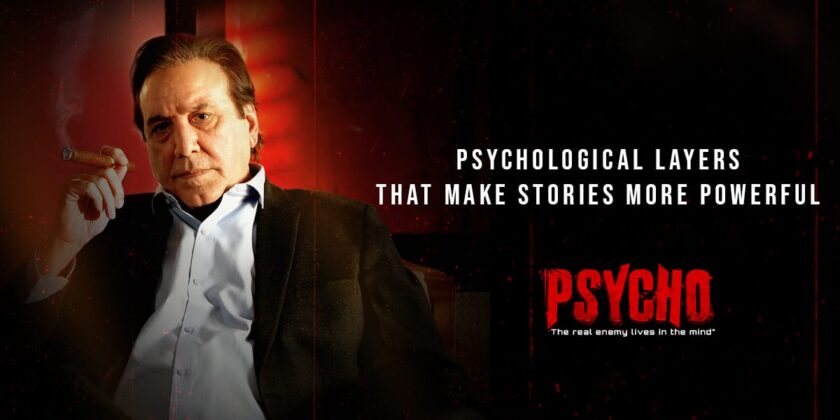
Psychological Layers That Make Stories More Powerful
Stories have always reflected human experiences, but the most powerful stories go beyond simple plots. They explore the human mind, emotions, and inner conflicts that shape behavior. This is where psychological layers come into play. These layers add depth, realism, and emotional intensity, turning ordinary stories into unforgettable experiences.
Modern audiences expect more than entertainment. They seek meaning, connection, and authenticity. This shift has encouraged filmmakers to focus on psychological storytelling, where characters drive the narrative through their thoughts, emotions, and internal struggles.
In today’s evolving cinematic landscape, production houses like Red Lipstick Films and Dramas Production are using this approach to create stories rooted in emotional depth and psychological realism, helping redefine storytelling standards in the industry.
Understanding Psychological Layers in Storytelling
Psychological layers refer to the internal dimensions of a character that influence their actions and decisions. These include emotions, fears, motivations, beliefs, and past experiences.
Instead of focusing only on external events, layered storytelling explores what is happening inside the character’s mind. This creates a more immersive and meaningful narrative.
- Core Elements of Psychological Layers
- Internal conflict between desire and fear
- Emotional depth and vulnerability
- Subconscious motivations
- Moral complexity and difficult choices
These elements give stories substance and make characters more relatable.
Why Psychological Depth Makes Stories More Powerful?
Emotional Connection: When stories reflect real emotions, audiences feel connected. They understand the character’s journey and become emotionally invested.
Realism and Authenticity: Psychological depth makes characters believable. Their actions feel natural because they are driven by real human experiences.
Audience Engagement: Layered storytelling keeps viewers interested. It encourages them to think, analyze, and interpret the narrative.
Lasting Impact: Stories with emotional depth stay with the audience long after they are experienced.
The Power of Internal Conflict
Internal conflict is one of the strongest psychological tools in storytelling. It represents the struggle within a character’s mind and shapes their journey. Common forms of internal conflict include:
- Fear versus ambition
- Love versus responsibility
- Truth versus denial
- Control versus chaos
These conflicts make decisions more meaningful and add tension to the story. When audiences witness this struggle, they become more engaged with the narrative.
Emotional Complexity Creates Real Characters
Emotion is at the heart of every story, but true impact comes from emotional complexity. Characters should not experience just one emotion at a time. They should reflect the layered nature of human feelings.
For example:
- A character may feel confident but also insecure
- Love may exist alongside fear
- Hope may be mixed with doubt
This complexity makes characters more realistic and relatable, allowing audiences to connect on a deeper level.
Subconscious Motivations and Hidden Behavior
One of the most compelling aspects of psychological storytelling is the influence of subconscious motivations. Characters often act based on past experiences or hidden emotions they do not fully understand.
These motivations can include:
- Trauma shaping present decisions
- Fear influencing behavior
- Unresolved emotions driving actions
These hidden layers add depth and intrigue to the story. They also encourage audiences to look beyond the surface and understand the character’s true nature.
Moral Ambiguity in Modern Storytelling
Modern storytelling often avoids simple definitions of right and wrong. Instead, it presents characters with moral ambiguity. This means:
- Heroes can have flaws
- Villains can have reasons
- Decisions are not always clear
Moral ambiguity makes stories more thought-provoking. It challenges audiences to question their own beliefs and understand different perspectives.
Psychological Storytelling in Pakistani Cinema
Pakistani cinema is increasingly adopting psychological storytelling techniques. Filmmakers are focusing on character-driven narratives that explore emotional and mental depth.
A strong example of this shift is the upcoming psychological film Psycho, starring Shaan Shahid, Meera, Sonya Hussyn, Javed Sheikh, and Talat Hussain.
This film explores the complexities of human psychology, focusing on emotional conflict, perception, and inner struggles. Its narrative reflects the growing importance of psychological layers in storytelling. Scheduled for release on Eid ul Adha 2026, the film has already generated anticipation due to its intense character focus and unique approach.
Such projects show how Pakistani cinema is evolving toward meaningful storytelling that resonates with modern audiences.
How Psychological Layers Improve Storytelling Quality
Stronger Narrative Structure: Psychological depth provides a clear foundation for character actions and story progression.
Deeper Audience Engagement: When audiences understand a character’s inner world, they become more invested in the story.
Creative Exploration: Writers can explore complex themes and ideas through psychological storytelling.
Unique Film Identity: Stories with depth stand out and create a lasting impression.
Techniques to Build Psychological Layers
Creating powerful stories requires intentional character development. Key techniques include:
Character Backstory: A well-developed background explains motivations and behavior.
Symbolism: Visual elements can represent emotions and mental states.
Subtext in Dialogue: Conversations can reveal hidden thoughts and feelings.
Gradual Character Development: Slow progression allows audiences to understand the character’s transformation.
The Future of Storytelling
The future of storytelling lies in authenticity and depth. As audiences become more aware and selective, they will continue to demand stories that explore real human experiences.
Filmmakers who focus on psychological layers will create content that stands out and remains relevant. This approach not only improves storytelling quality but also strengthens the overall identity of cinema.
Conclusion
Psychological layers are essential for creating powerful stories. They add depth, realism, and emotional impact, allowing audiences to connect with characters on a deeper level. Stories that explore internal conflict, emotional complexity, and moral ambiguity leave a lasting impression.
As Pakistani cinema continues to evolve, production houses like Red Lipstick Films and Dramas Production are playing a key role in promoting meaningful storytelling through character-driven narratives.
The future belongs to stories that understand the human mind. These are the stories that engage, inspire, and remain unforgettable.
FAQs
Q1. What are psychological layers in storytelling
A: Psychological layers refer to the internal thoughts, emotions, and conflicts that shape a character’s actions and decisions.
Q2. Why are psychological layers important in films
A: They create emotional depth, improve realism, and help audiences connect with the story on a deeper level.
Q3. How do psychological elements improve storytelling
A: They add complexity, enhance character development, and make stories more engaging and memorable.